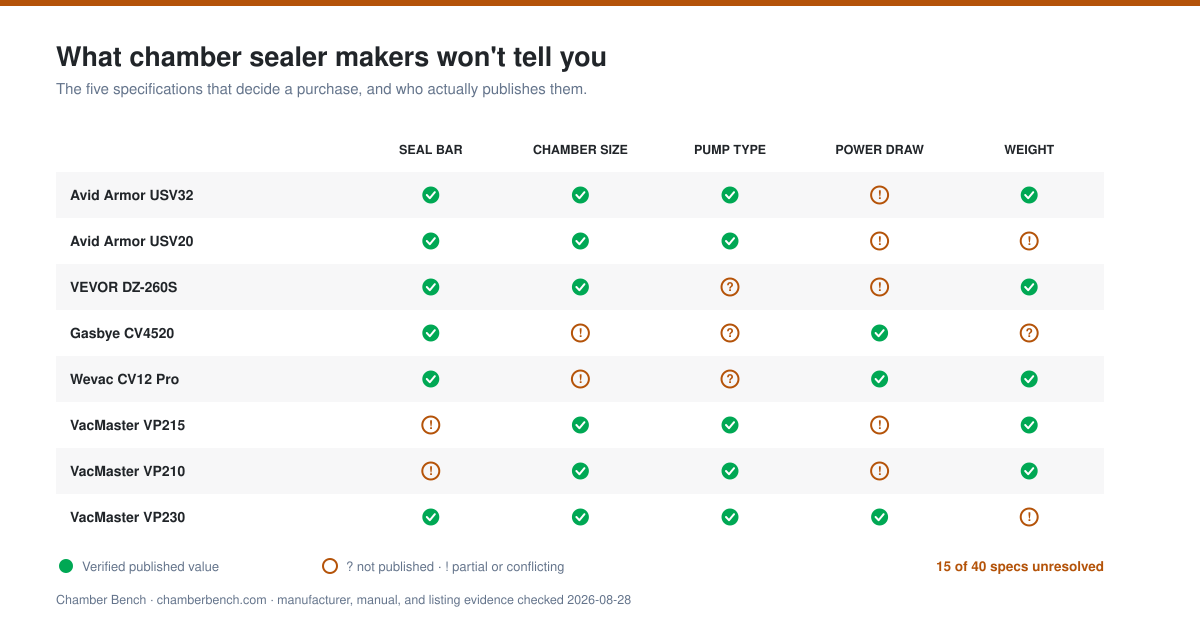
Wevac publishes a 12 in seal bar for the Wevac CV12 Pro. Two core fields are not settled by those sources: usable chamber (sources disagree) and weight (unpublished). Wevac does not state whether the pump is oil-lubricated or dry, which decides whether the machine needs oil changes at all.
This is a source-backed specification analysis, not a hands-on review. It records the model's published chamber, seal-bar, pump, power, and weight data; identifies omissions or contradictions; and explains which measurements a buyer should verify. Chamber Bench has not physically tested this machine.
What we like on paper
- Pouches can be bought to fit
What you should know
- Pump type undisclosed
- No published weight
What the manufacturer publishes
The records below come from the manufacturer’s own pages, manuals and support documents, checked on . These records are left unresolved by its published sources: usable chamber, pump architecture and weight.
Scroll horizontally to see every column.
| Seal bar | |
|---|---|
| Chamber | Conflicting published values: 12.2" W x 13.0" D x 3.9" H / 12.4" W x 12.8" L x 3.8" H — Conflicting published record — Wevac product page · Wevac archived page |
| Pump | 85 L/min (5,187 in³/min) pump flow rate; architecture not published — Verified published record — Wevac product page · Wevac manual |
| Power | |
| Weight | |
| Model | CV12 Pro |
How it compares
Three other shortlisted machines for context on the specifications that decide fit. See the full eight-machine buying guide.
Scroll horizontally to see every column.
| Model | Seal bar | Chamber | Pump | Weight | Analysis |
|---|---|---|---|---|---|
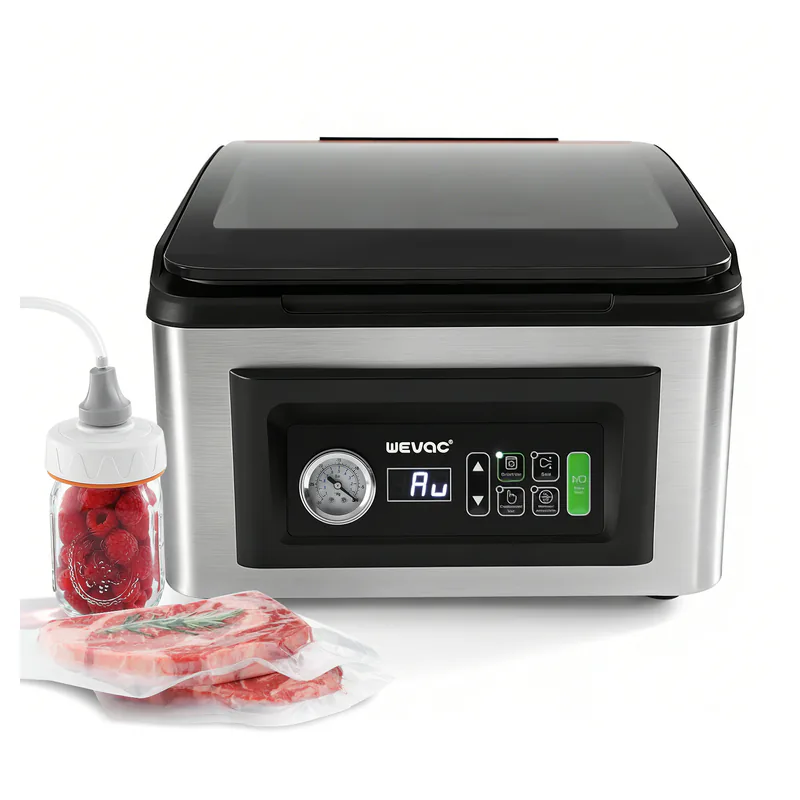 Wevac CV12 Pro | Conflicting published values: 12.2" W x 13.0" D x 3.9" H / 12.4" W x 12.8" L x 3.8" H — Conflicting published record — Wevac product page · Wevac archived page | 85 L/min (5,187 in³/min) pump flow rate; architecture not published — Verified published record — Wevac product page · Wevac manual | This analysisCheck price on Amazon: Wevac CV12 Pro | ||
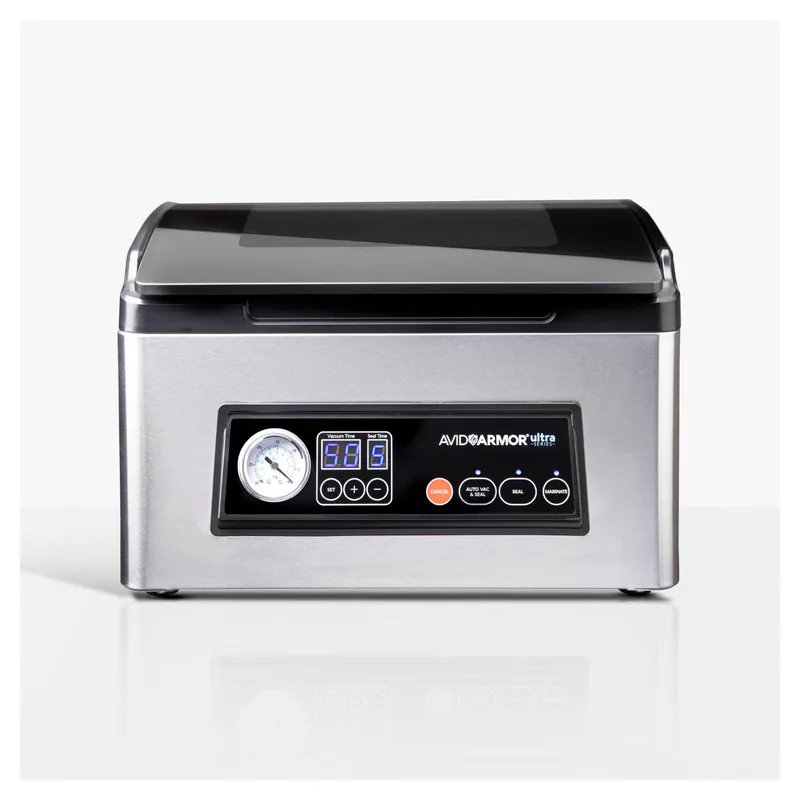 Avid Armor USV32 | |||||
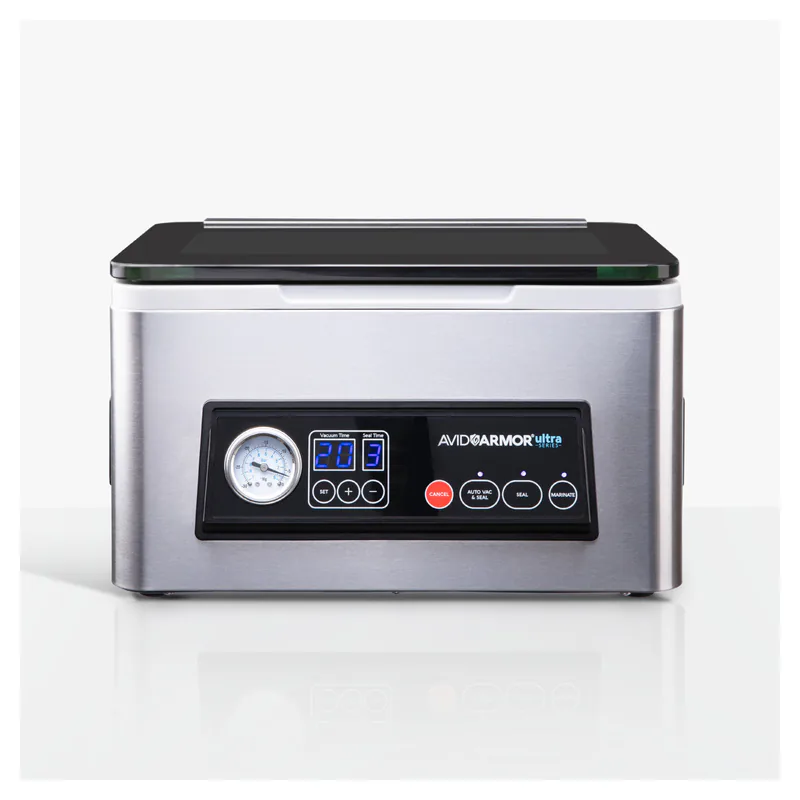 Avid Armor USV20 | |||||
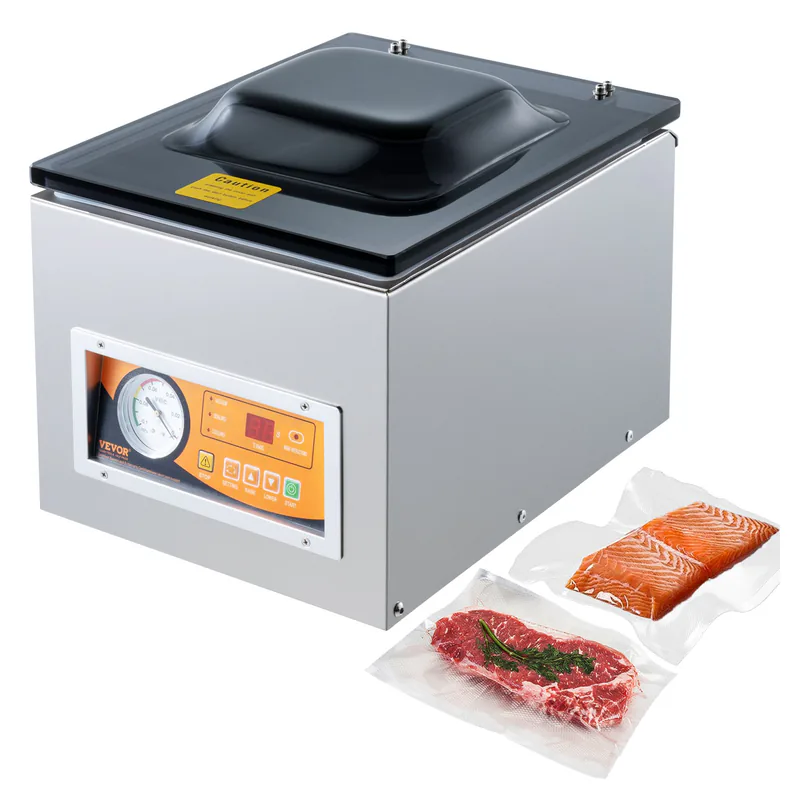 VEVOR DZ-260S Chamber Sealer | Conflicting published values: 120W vacuum pump / 180W vacuum pump — Conflicting published record — VEVOR product page |
Before you order
How should you use two different CV12 Pro chamber sizes?
Suppose a rigid package is 12.3 inches wide and must lie in one orientation. One published Wevac width is 12.2 inches and another is 12.4 inches. The package falls between them. Calling that a fit would require selecting the larger record without knowing which one describes the unit on sale.
Send the seller your required width, length and packed height and ask for the usable dimensions of the current unit. For a flexible pouch, send its outside opening and full length as separate figures. The two records shown here let you ask a precise question before you buy.
Compare Wevac’s records with Avid Armor
What it needs on an ongoing basis
- Chamber pouches that fit the 12-inch sealing limit — smooth, not the embossed bags an external sealer needs.
- Pump-oil requirement unknown: the pump architecture is undisclosed, so confirm the exact pump and service requirements before buying oil.
Still comparing?
- Wevac vs Avid Armor: Published Specification Records
- Chamber Vacuum Sealers for Deer Meat Compared by Lid Clearance
- Meat Chamber Vacuum Sealer Fit: 5 Models Matched to the Cut
- 4 Chamber Vacuum Sealers for Liquids Compared by Usable Fill Depth
- Choosing a Sous Vide Chamber Vacuum Sealer by Pouch Temperature Rating
Other chamber sealers to compare
All chamber sealersVEVOR
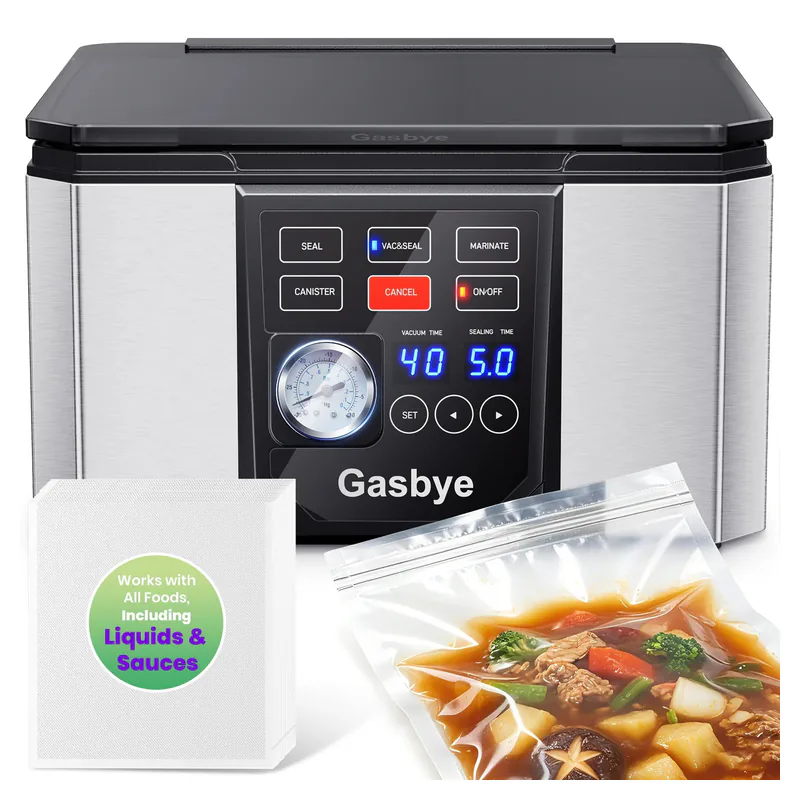
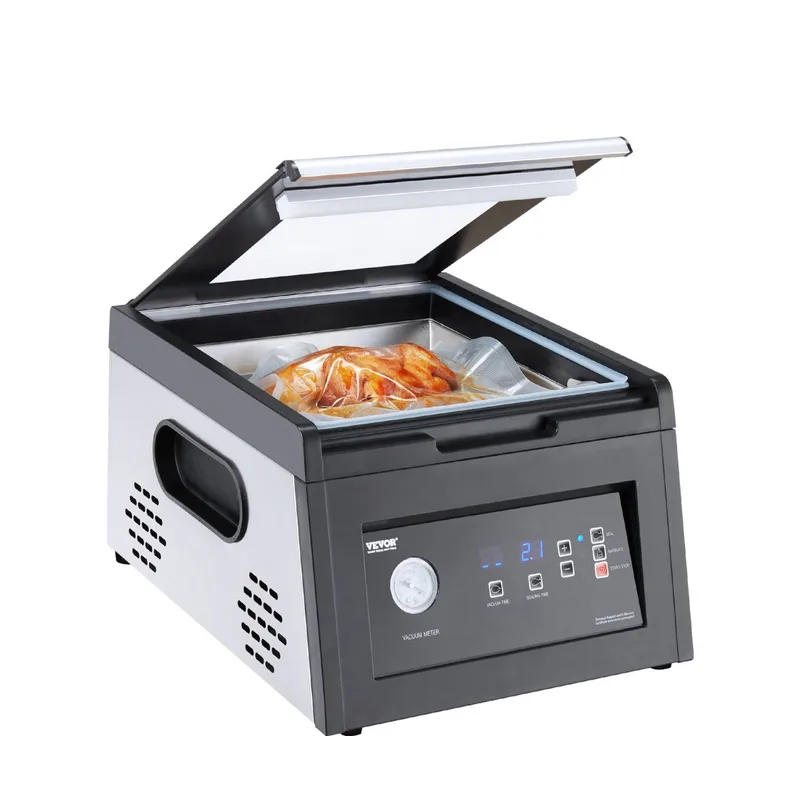
VEVOR DZ-260S
- 10.2 in seal bar
- Pump type not published
- 2 in chamber height
Waring Commercial
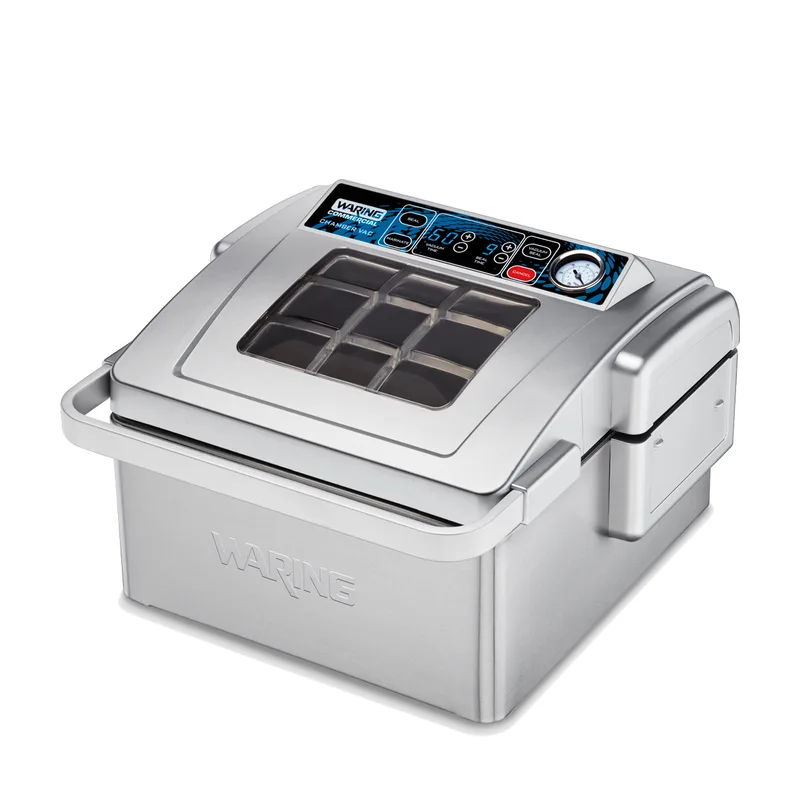
Waring Commercial WCV300
- 11 in seal bar
- Pump type not published
- 3.19 in chamber height
VEVOR
VEVOR YJ-300TV1
- Pump type not published
- 3.15 in chamber height
Wevac CV12 Pro questions, answered from the maker’s records
How big is the Wevac CV12 Pro chamber?
Wevac's own documents disagree on the chamber size: they give 12.2" W x 13.0" D x 3.9" H in one place and 12.4" W x 12.8" L x 3.8" H in another. We do not pick one, so measure or ask the seller before relying on it.
What size bags fit the Wevac CV12 Pro?
Wevac states no maximum pouch size. Its 12 in seal bar sets the width: we pair it with pouches no wider than 11.5 in, leaving half an inch of margin.
Does the Wevac CV12 Pro need pump oil?
Wevac does not name the pump type (it describes it only as: 85 L/min (5,187 in³/min) pump flow rate; architecture not published). Check the manual, or ask the seller, before buying oil.
How long is the Wevac CV12 Pro seal bar?
Wevac gives the seal bar as 12 in.
How much does the Wevac CV12 Pro weigh?
Wevac does not publish a weight for the CV12 Pro.
What power supply does the Wevac CV12 Pro need?
Wevac gives the electrical rating as 360 W at 120 V, 60 Hz.
Where is the Wevac CV12 Pro manual?
The manual on record is “CV12 Pro Chamber Vacuum Sealer User Manual”, published by Wevac Technology Co., Limited. It is linked under Sources on this page.
Sources and record status
Each core specification row identifies whether the current record is verified, partial, conflicting, or not published and links to the evidence used for that status.
- Wevac Technology Co., Limited evidence recordWevac Technology Co., Limited · Accessed
- Wevac Technology Co., Limited evidence recordWevac Technology Co., Limited · Accessed
- Wevac Technology Co., Limited evidence recordWevac Technology Co., Limited · Accessed
How published evidence is evaluated
Chamber Bench compares each maker’s own pages, manuals and support documents for the eight machines in this comparison. The current analysis covers usable chamber geometry, seal-bar length, pump type, serviceability, and other published ownership constraints.
Where a manufacturer publishes nothing, we say so rather than filling the gap:
- We record which specifications a manufacturer declines to publish.
- We flag contradictions inside a listing rather than quietly picking one figure.
- We keep partial records distinct from complete published dimensions.
- We do not reproduce retailer ratings or prices as editorial fact.
What we have not done: we have not physically run these machines. No cycle times, seal-strength figures, or noise measurements on this site come from our own bench, and none are presented as if they do. Our test protocol documents the measurements required before any model can carry a tested performance conclusion.