Published comparisons
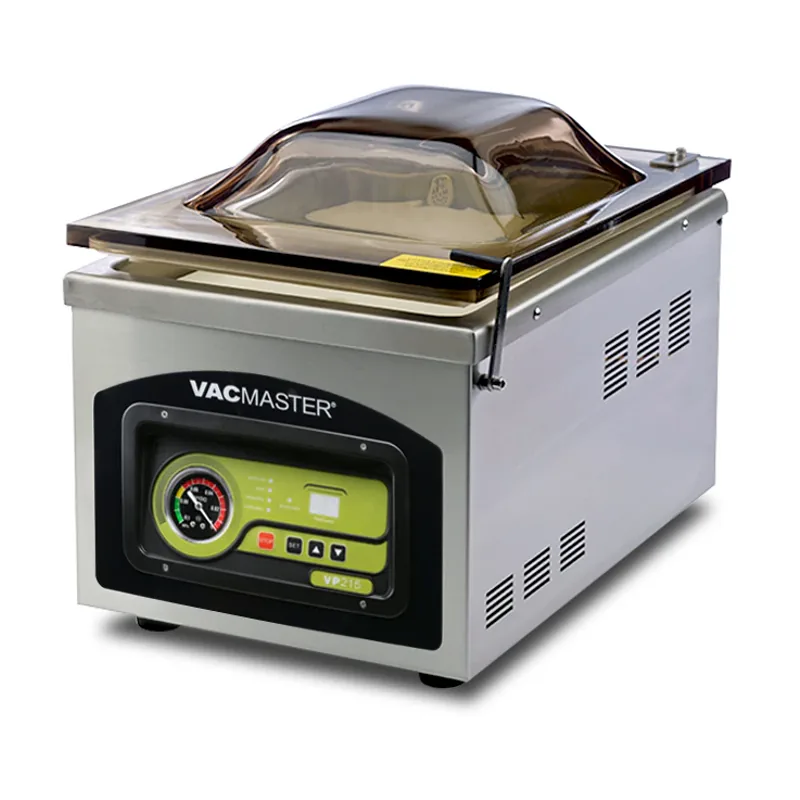
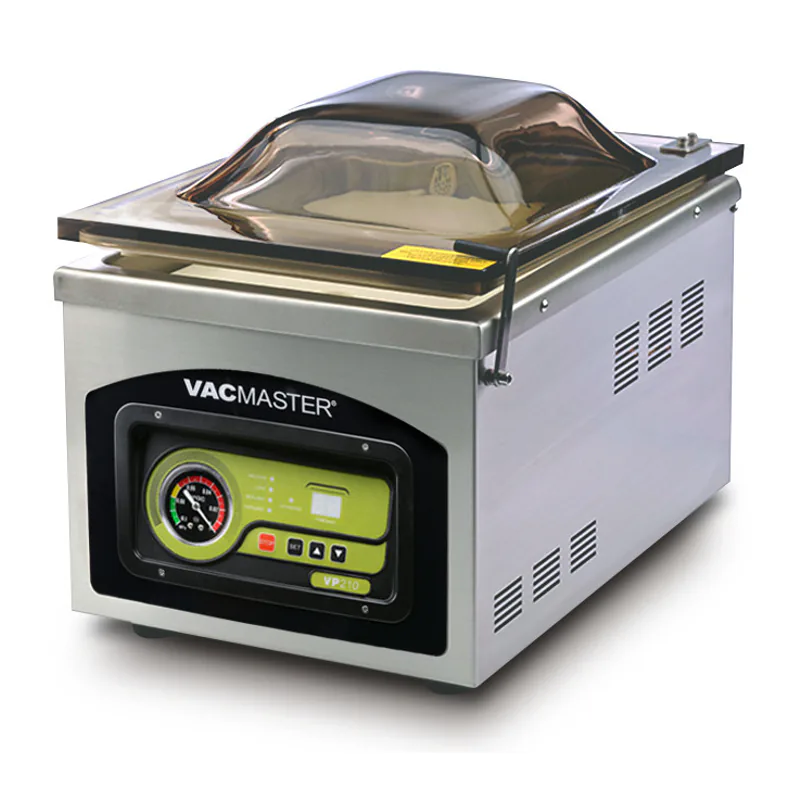
VacMaster VP215 vs VacMaster VP210
- PumpVacMaster VP215Conflicting published values: 1/5 HP (.2 HP) rotary oil pump / 1/4 HP rotary oil pump — Conflicting published record — VacMaster manual · VacMaster support noteVacMaster VP2101/4 HP dry, maintenance-free pump — Verified published record — VacMaster product page · VacMaster manual
- WeightVacMaster VP215VacMaster VP210
Unresolved on the published record: seal bar, power.
See the full comparison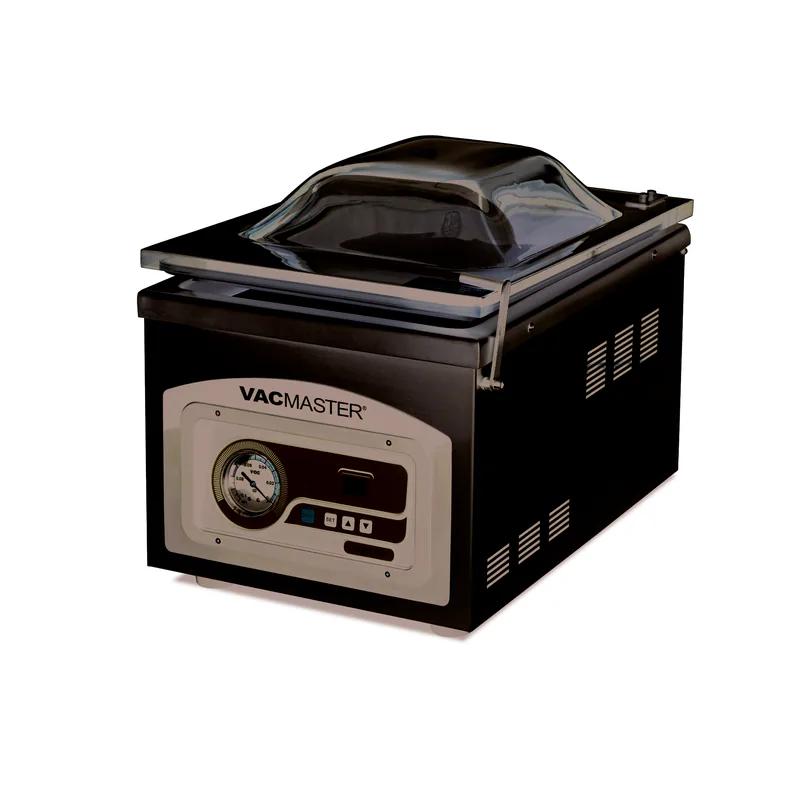
VacMaster VP215 vs VacMaster VP230
- ChamberVacMaster VP215VacMaster VP230
Unresolved on the published record: seal bar, pump, power, weight.
See the full comparison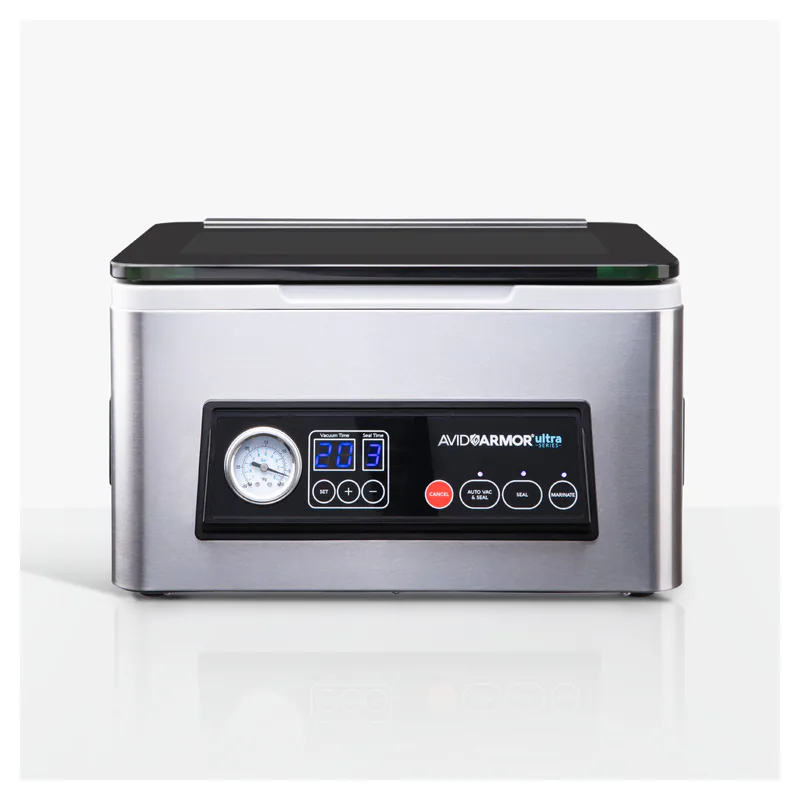
 +2 more
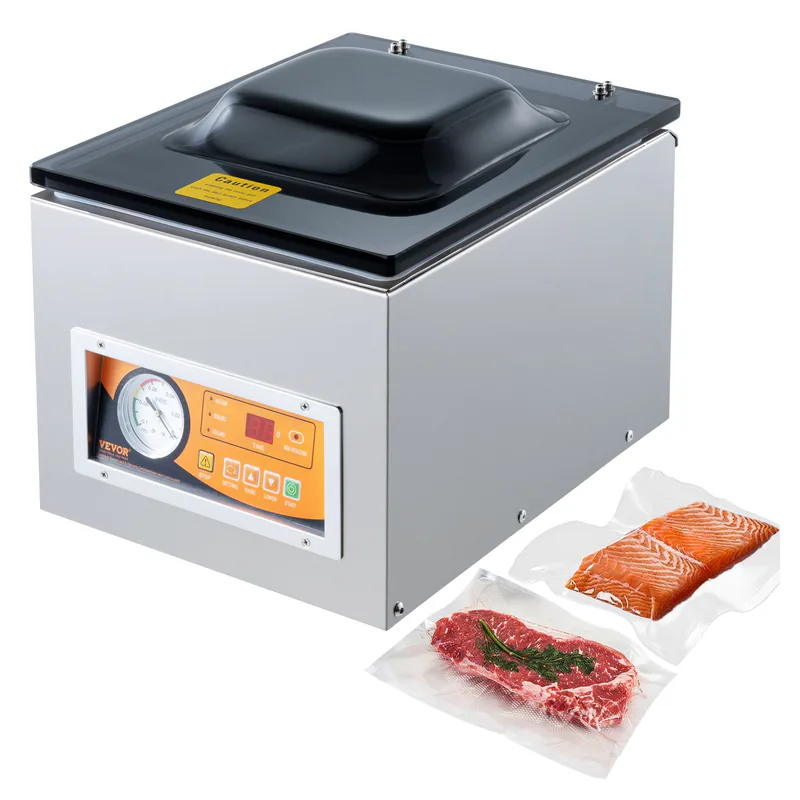
Avid Armor USV20 vs VEVOR DZ-260S Chamber Sealer vs Gasbye CV4520 vs VacMaster VP215
Separated by: Chamber, Seal bar, Weight.
Not settled for every machine here: chamber, seal bar, pump, power, weight.
See the full comparison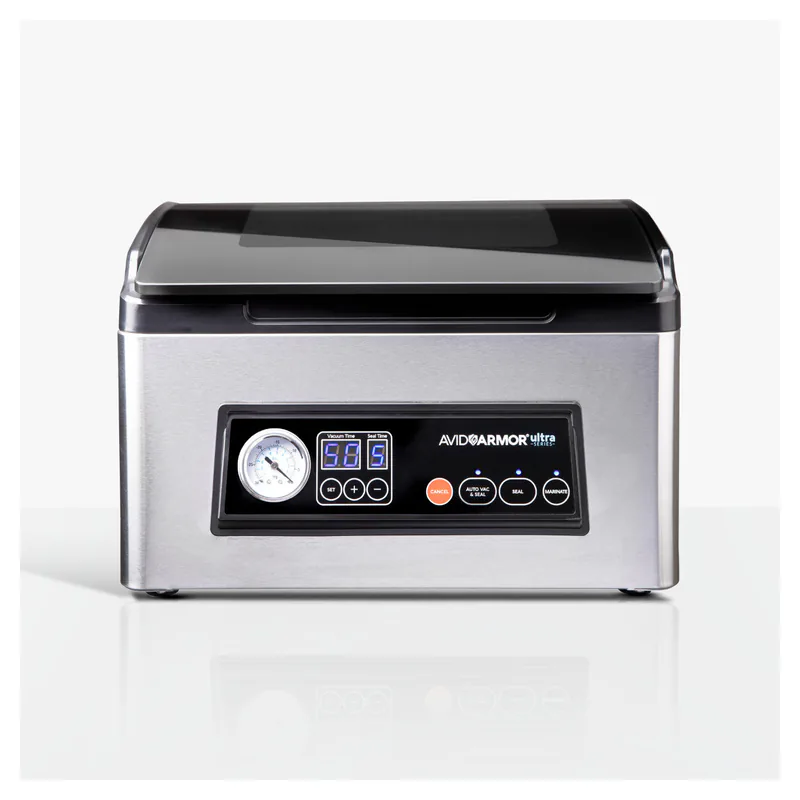
Avid Armor USV20 vs Avid Armor USV32
- ChamberAvid Armor USV20Avid Armor USV32
- PumpAvid Armor USV20Avid Armor USV32
Unresolved on the published record: power, weight.
See the full comparison+3 moreAvid Armor USV32 vs Avid Armor USV20 vs VacMaster VP215 vs VacMaster VP210 vs VacMaster VP230
Separated by: Chamber, Seal bar, Pump, Weight.
Not settled for every machine here: seal bar, power, weight.
See the full comparison+1 moreAvid Armor USV20 vs Avid Armor USV32 vs VEVOR DZ-260S Chamber Sealer
Separated by: Chamber, Seal bar, Pump, Weight.
Not settled for every machine here: pump, power, weight.
See the full comparison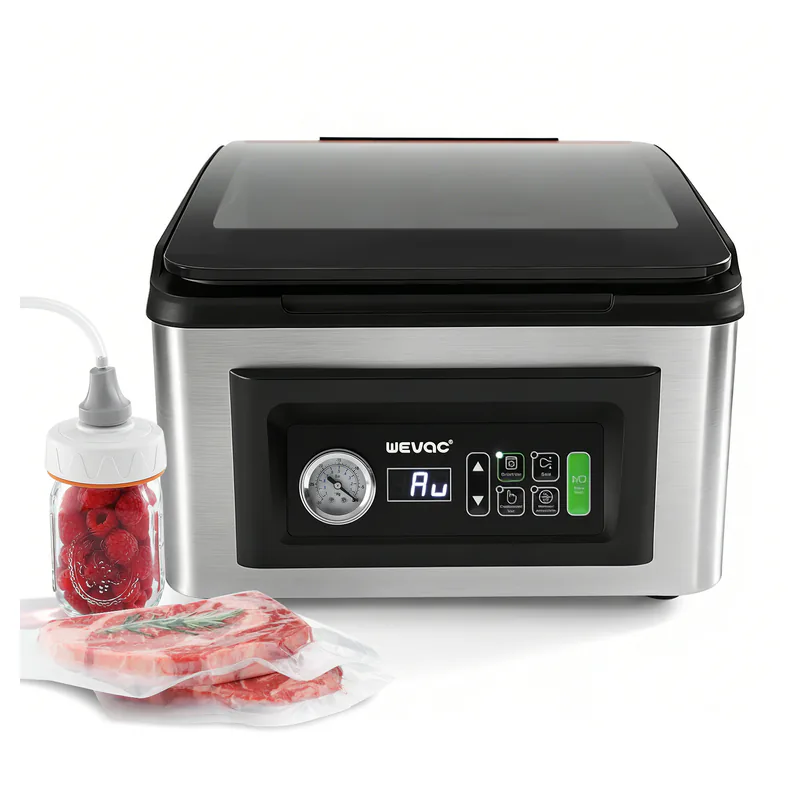 +1 more
Wevac CV12 Pro vs Avid Armor USV32 vs Avid Armor USV20
Separated by: Chamber, Seal bar, Pump, Weight.
Not settled for every machine here: chamber, power, weight.
See the full comparisonWhat we cannot compare, and why
A head-to-head only means something when both machines have source-checked records for the fields the comparison uses. The pairings above are the ones the published record supports. Below is the list we will not build, and the exact figure missing from each — the more useful list if you are shopping right now.
The table distinguishes verified, conflicting, partial, and unpublished source records without selecting an unresolved value.
Scroll horizontally to see every column.
| Machine | Unresolved source fields |
|---|---|
| Avid Armor USV32 | power: conflicting |
| Avid Armor USV20 | power: conflicting, weight: conflicting |
| VEVOR DZ-260S Chamber Sealer | pump architecture: not published, power: conflicting |
| Gasbye CV4520 | usable chamber: partial, pump architecture: not published, weight: not-published |
| Wevac CV12 Pro | usable chamber: conflicting, pump architecture: not published |
| VacMaster VP215 | seal bar: conflicting, pump: conflicting, power: conflicting |
| VacMaster VP210 | seal bar: conflicting, power: conflicting |
| VacMaster VP230 | weight: conflicting |
What this page covers, and what it does not
Every comparison here is drawn from the eight chamber vacuum sealers in this shortlist — the machines we verified against live Amazon listing data. The rest of the catalogue is listed with each maker’s own figures but not yet compared head to head. The Anova chamber sealer is not in the catalogue or these comparisons: we could not verify its Amazon listing, and we will not compare a machine whose specifications we have not checked ourselves.
How published evidence is evaluated
Chamber Bench compares manufacturer and listing evidence for the eight machines in this comparison. The current analysis covers usable chamber geometry, seal-bar length, pump type, serviceability, and other published ownership constraints.
Where a manufacturer publishes nothing, we say so rather than filling the gap:
- We record which specifications a manufacturer declines to publish.
- We flag contradictions inside a listing rather than quietly picking one figure.
- We keep partial records distinct from complete published dimensions.
- We do not reproduce retailer ratings or prices as editorial fact.
What we have not done: we have not physically run these machines. No cycle times, seal-strength figures, or noise measurements on this site come from our own bench, and none are presented as if they do. Our test protocol documents the measurements required before any model can carry a tested performance conclusion.
Where to go next
- Start from the full specification table in our chamber vacuum sealer comparison.
- Work out which machine physically fits with the sizing method.
- Once a machine fits, settle the pump in oil pump versus dry pump: it decides whether the machine comes with an oil-change routine.