Run five checks in order
What size bags does my chamber vacuum sealer take?
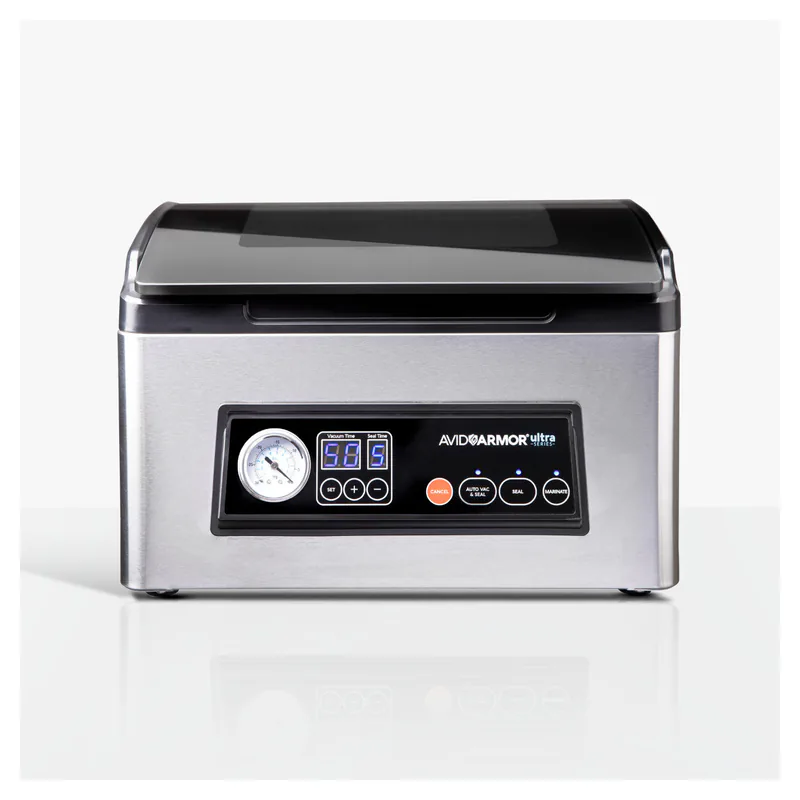
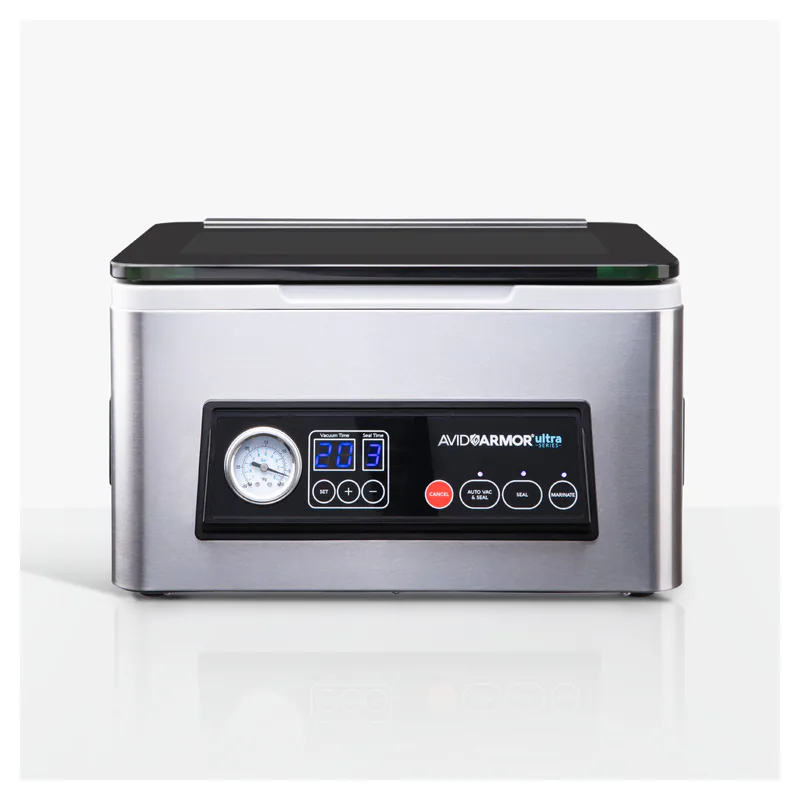
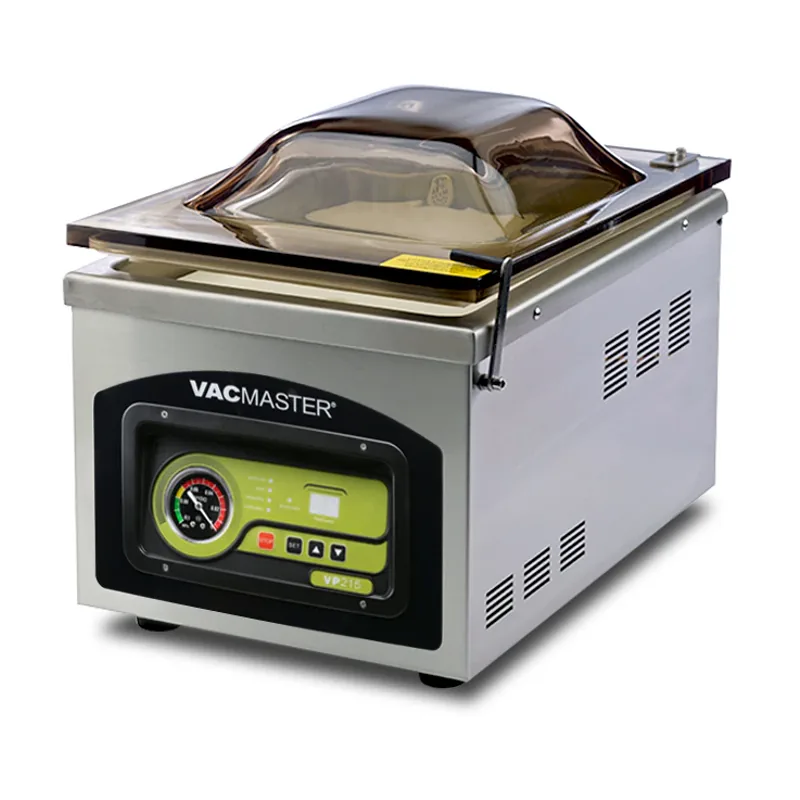
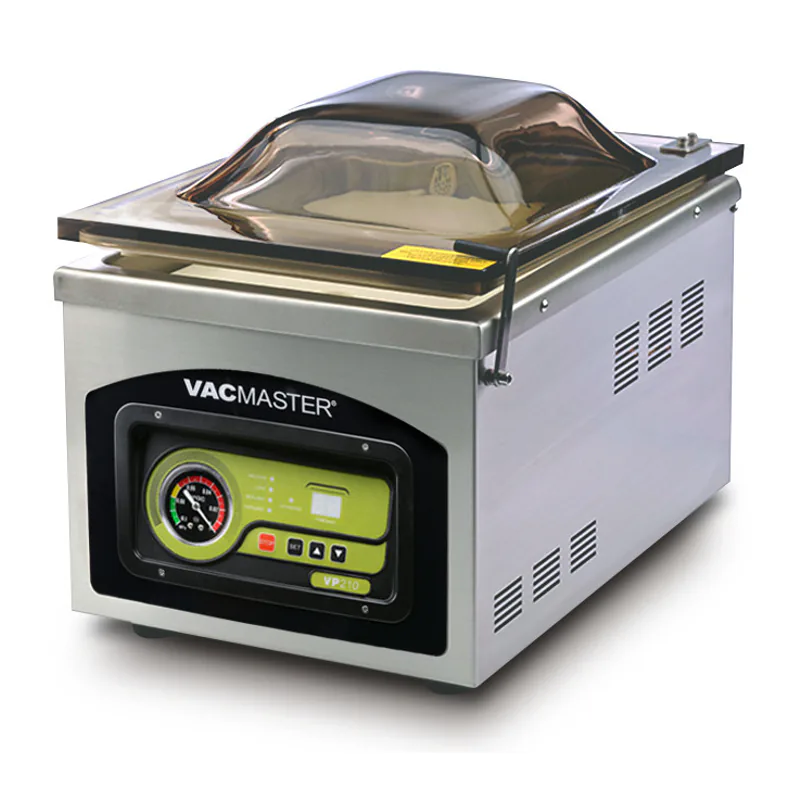
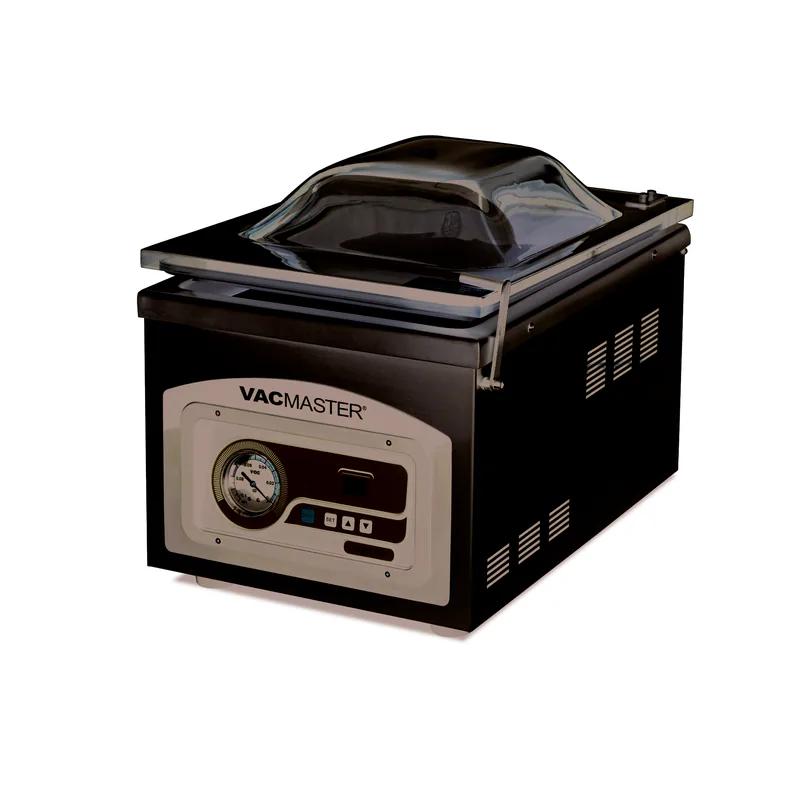
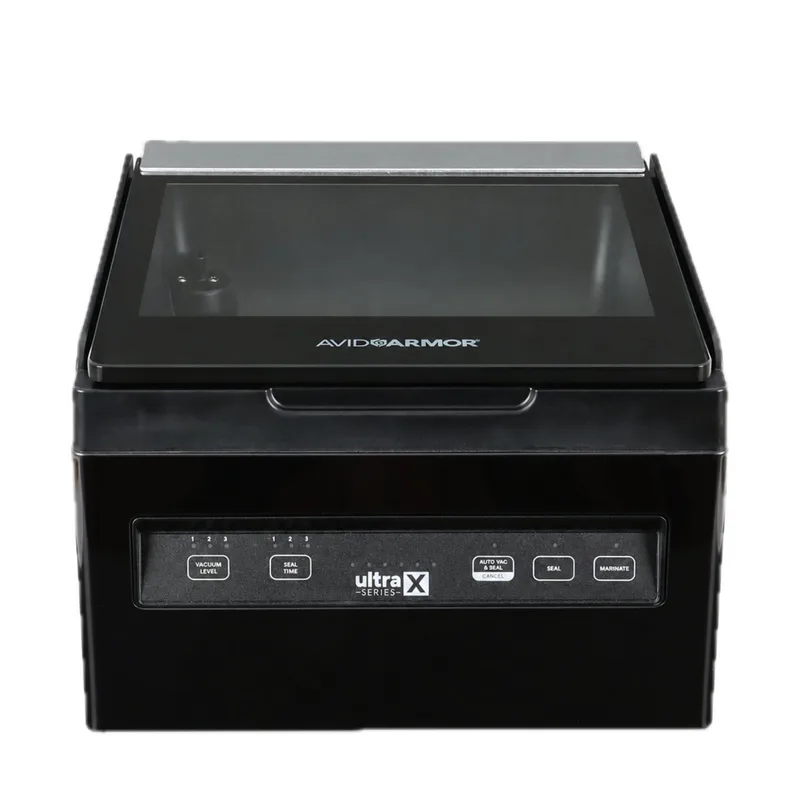
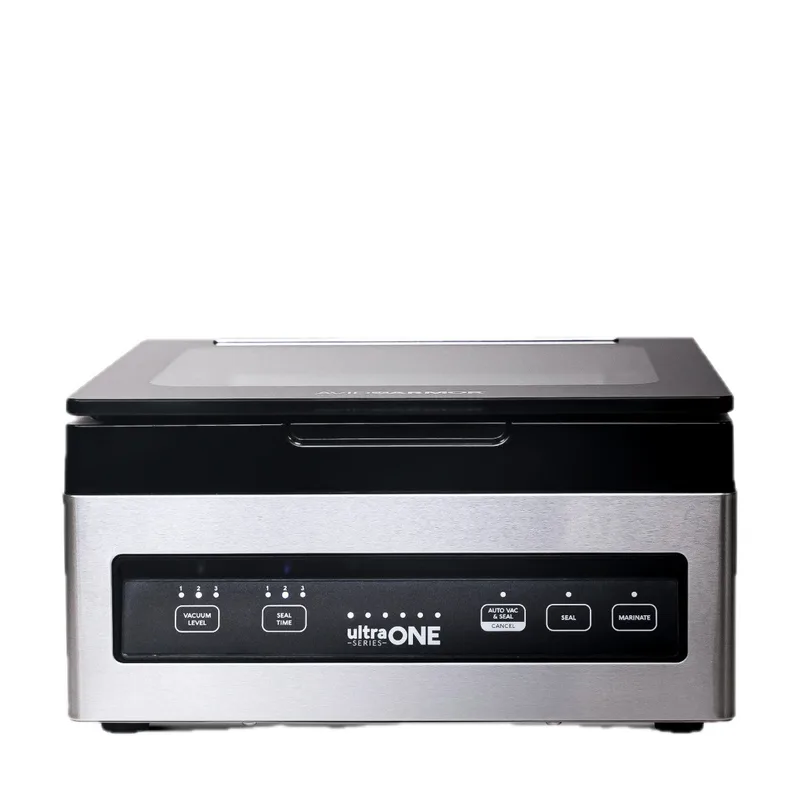
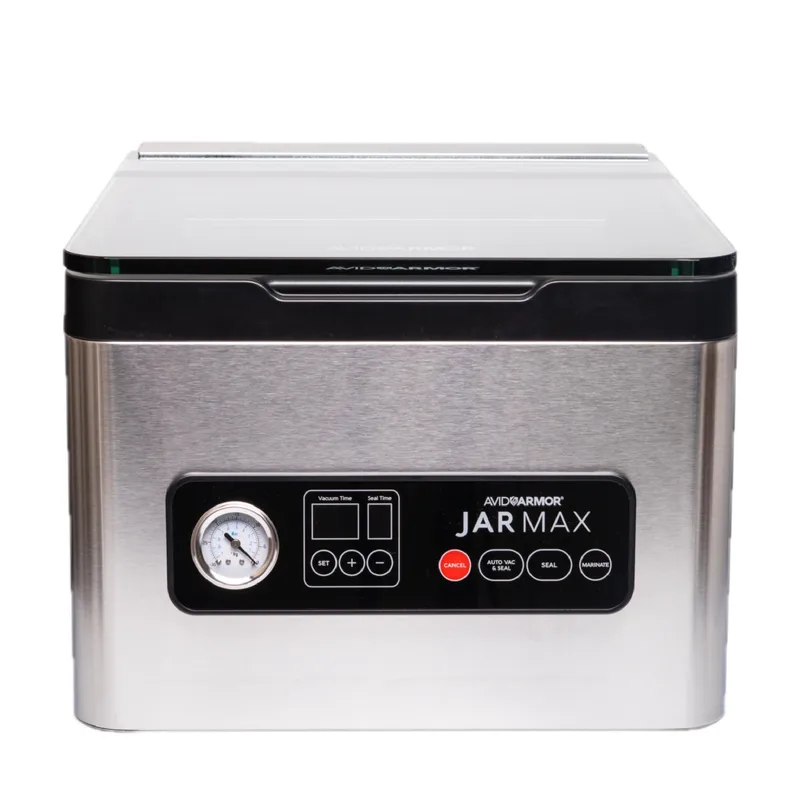
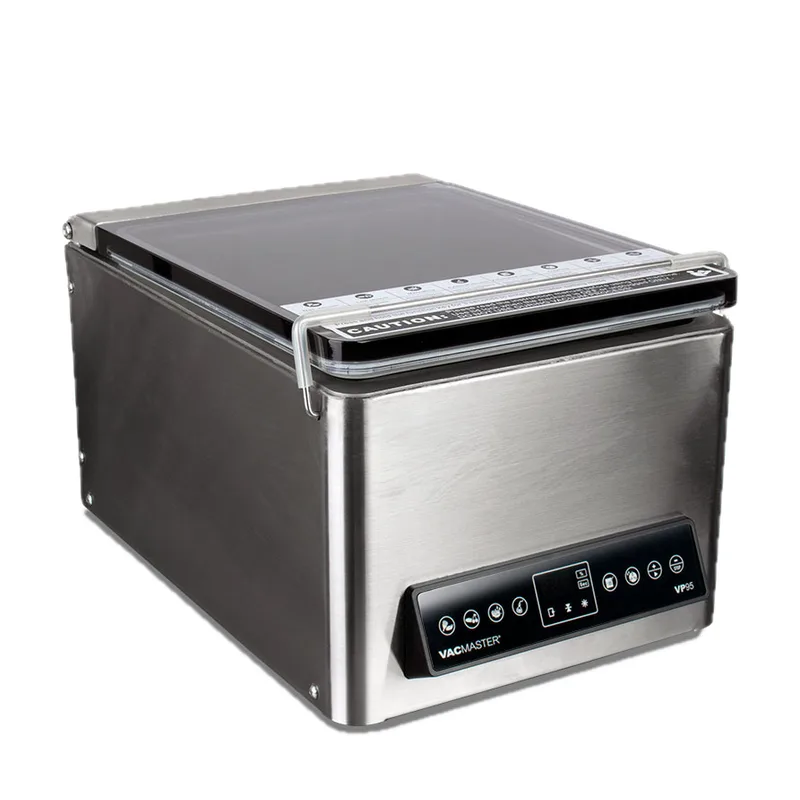
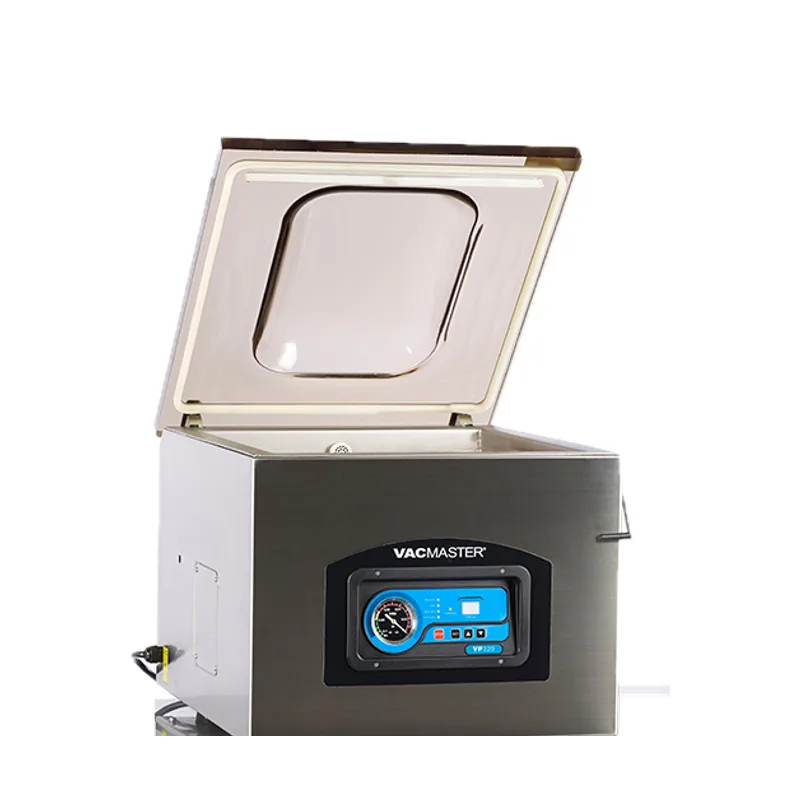
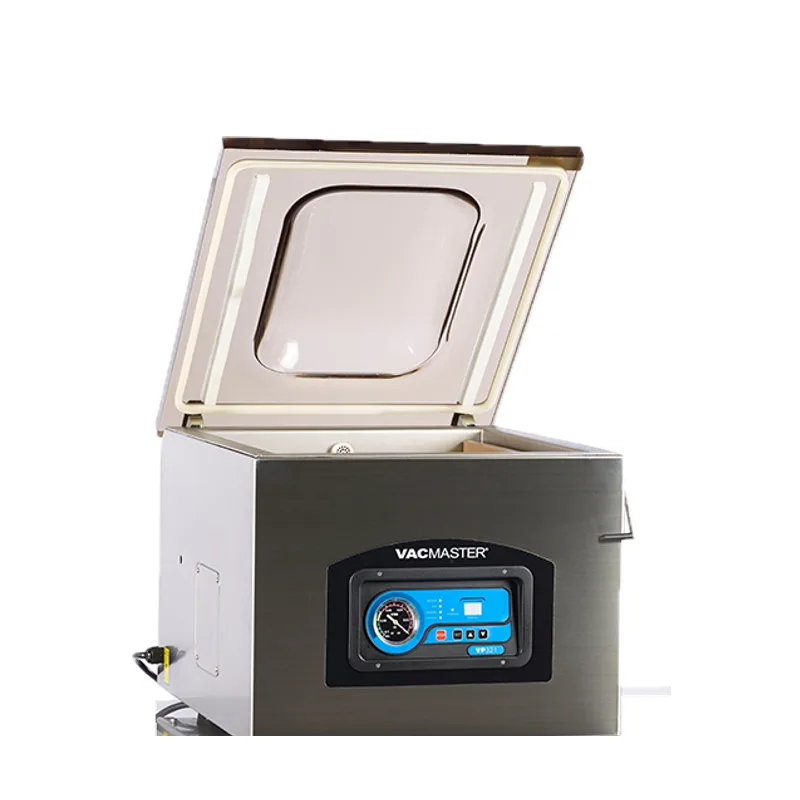
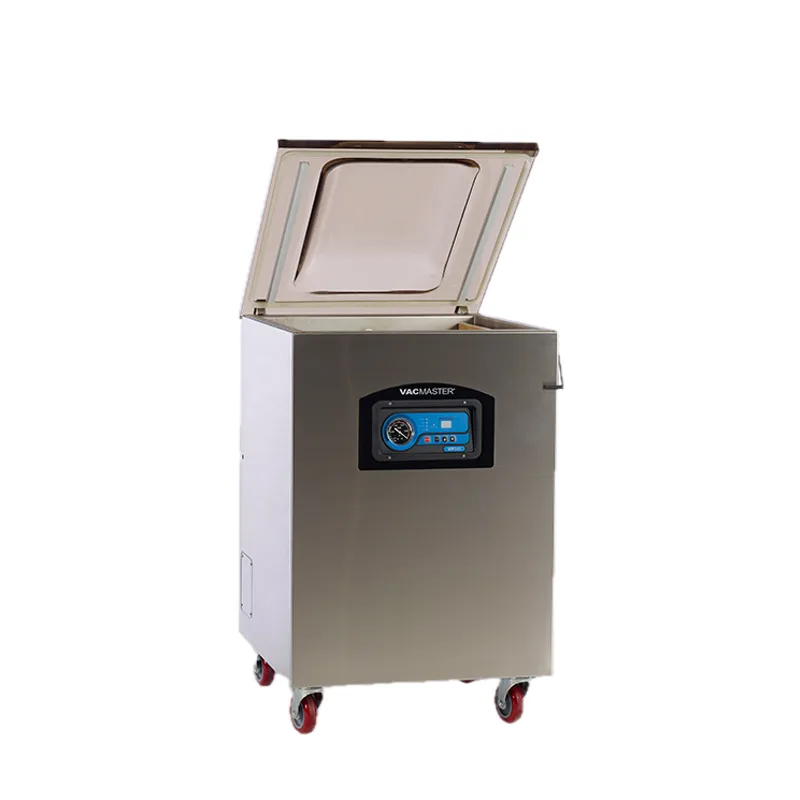
Pouch width is capped by whichever is narrower, the sealing width or the chamber. That gives 11.5 inches on both Avid Armor units, 12 inches on the Wevac CV12 Pro, 12.25 inches on the VacMaster VP230, 10.2 inches on the VEVOR DZ-260S, and 9.7 inches on the Gasbye CV4520 — where the chamber, not the 11.5 inch bar, is the constraint. VacMaster publishes the VP215 and VP210 seal bar as both 10 and 10.25 inches, so no single width is settled for those two.
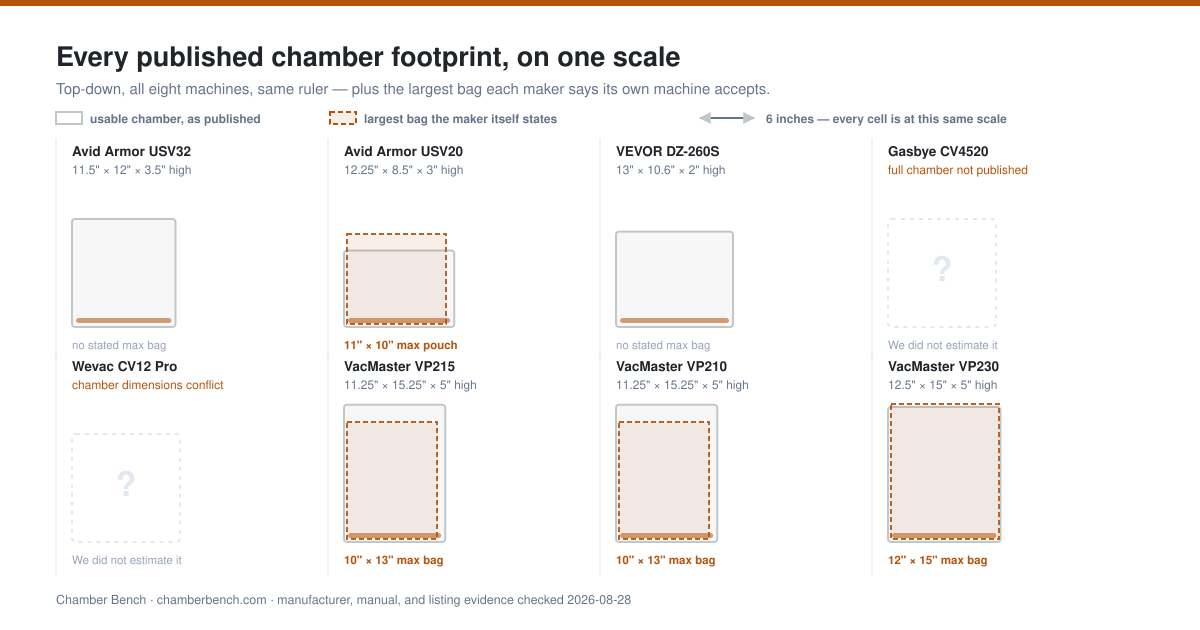
Scroll horizontally to see every column.
| Check | Pass condition | Common failure |
|---|---|---|
| 1. Mouth width | Fits within the machine’s active seal width | Edges ride outside the seal zone |
| 2. Filled length | Food plus clean seal zone fits inside chamber | Bag folds or blocks the lid |
| 3. Filled height | Package clears the actual lid profile | Tall food touches or distorts the lid |
| 4. Material | Manufacturer permits the pouch construction | Bag will not evacuate or seal reliably |
| 5. Thickness | Seal setting supports the stated gauge | Weak seal, burn-through, or long cooling |
Source basis[1] Anova Culinary Support · [2] Anova Culinary · [3] Avid Armor
Why chamber pouches are usually smooth
External suction systems commonly use a textured channel so air can travel to a suction port while the bag mouth is clamped. A chamber machine evacuates the environment around the open pouch, so it can commonly use smooth chamber pouches. Always follow the machine manufacturer’s accepted pouch guidance rather than assuming every plastic bag is food-safe or seal-compatible.
Do chamber pouches have to be smooth?
Chamber pouches are normally smooth because a chamber machine evacuates the space around the bag, so no embossed channel is needed to carry air out of it. An embossed bag will still seal in a chamber machine — you are simply paying for a texture that does nothing there. The reverse substitution is the one that fails: a smooth pouch in an external suction sealer generally will not evacuate.
Source basis[1] Anova Culinary Support · [2] Anova Culinary
Sample before buying a case
Test a small quantity with your actual food geometry and settings. Record successful seals, folds, leaks after cooling, and wasted pouch length. A low per-bag quote can be expensive if the size produces frequent failures or excessive trim.
For cost comparisons, calculate cost per successful seal rather than price per unused pouch. The Chamber Bench calculator includes pouch waste and failed seals so a consumable decision can be compared on the same basis.
How many pouches should I buy before committing to a case?
Buy the smallest quantity that lets you run your real food geometry at your real machine settings — enough packages to expose folds, leaks after cooling and wasted film, not one careful demonstration seal. Ordering a case on the strength of a single good result is the most reliable way to turn a low per-bag price into an expensive mistake.
Source basis[1] Anova Culinary Support · [2] Anova Culinary · [3] Avid Armor
Record pouch identity, not just its dimensions
Two pouches with the same printed size are not necessarily interchangeable. Keep the supplier, product code, construction, stated thickness, permitted food-contact use, and any stated temperature or process limit beside the machine setting that produced the seal. This turns a vague note such as ‘that size worked’ into a record that can be checked before the next order.
Treat a sample result as evidence for that identified pouch and workflow, not for every pouch with the same dimensions. Hold the food shape, fill, clean seal margin, machine setting, and inspection timing steady while comparing a changed pouch. Inspect only after the seal has cooled, and record a fold, contaminated mouth, weak area, burn-through, or leak as a distinct outcome instead of collapsing every failure into ‘did not work.’
Before a case order, reconcile the supplier’s current product sheet with the machine maker’s accepted materials and thickness guidance. If cooking, freezing, or another process is planned, obtain that permission from the pouch source separately; a storage-grade food-contact statement does not by itself document every temperature or process.
- Photograph the pouch label and case code before discarding the packaging.
- Record the clean mouth width and filled package height, not only the flat pouch dimensions.
- Separate storage approval from any cooking, freezing, or other process approval.
- Retest a changed supplier, construction, or thickness instead of inheriting the old setting.
Source basis[1] Anova Culinary Support · [2] Anova Culinary · [3] Avid Armor · [4] USDA Food Safety and Inspection Service
Questions readers still ask
Are chamber pouches and vacuum sealer bags the same thing?
Chamber pouches are one kind of vacuum sealer bag: smooth, unembossed film cut to sit inside a chamber. Bags sold for external suction machines carry an embossed channel and are usually described as textured or channeled. The two are not interchangeable in both directions, and the packaging rarely makes that obvious.
Why does my pouch fail to seal at the corners?
Corner failures usually mean the pouch mouth was not flat across the whole bar. A pouch wider than the sealing width leaves its corners outside the heated zone entirely, which is why the check that matters is pouch mouth against sealing width rather than pouch against chamber floor.
Does a bigger pouch cost more per seal?
Cost per successful seal turns on failures and trim as much as on the unit price, so an oversized pouch that leaves four inches of unused film on every package can cost more than a correctly sized pouch at a higher price per bag. The cost-per-seal calculator prices pouches and failures as separate inputs for exactly this reason.
How do I know a pouch is food-safe for what I am doing with it?
Food-contact approval for storage does not carry across to cooking, freezing or retort processing — those permissions come from the pouch supplier, for that specific product code. Keep the supplier, code, construction and stated process limits beside the machine setting that produced a good seal, because two pouches printed with identical dimensions are not necessarily the same film.
What happens if the pouch is longer than the chamber?
A pouch longer than the chamber has to fold to fit, and the fold either stops the lid closing or lands in the seal line. Trim the pouch to the chamber before loading rather than tucking the excess in — a package the lid is not sealing against cannot be evacuated properly, and the fold is where the leak starts.
Sources
Each record carries its own access date. Manufacturer statements are attributed; they are not treated as Chamber Bench test results.
- Chamber Vacuum Sealer frequently asked questionsAnova Culinary Support — Official pouch, pump, chamber-volume, seal-width, and operating specifications. · Accessed
- Precision Chamber Vacuum SealerAnova Culinary — Manufacturer explanation of chamber pressure, sealing, liquid use, and machine controls. · Accessed
- USV20 and USV32 side-by-side comparisonAvid Armor — Manufacturer comparison showing how chamber volume affects pouch fit and cycle behavior. · Accessed
- What is vacuum packaging?USDA Food Safety and Inspection Service — Government definition of vacuum packaging and its role in slowing quality loss. · Accessed